

Can AI Agents Develop Personalities? The Psychology and Impact of Virtual Companions
Dive into the psychology and technology behind AI personalities. Discover how virtual companions mimic human traits, enhance engagement, and impact our daily lives, alongside the ethical challenges they pose.
Author

D Team
29 Aug 2024
Introduction
Artificial Intelligence (AI) has evolved far beyond simple task automation, entering realms that involve nuanced interactions with humans. Today, AI agents are not just tools; they are companions that seem to understand, empathize, and even entertain. This perception raises the question: can AI agents truly develop personalities, or are we merely interacting with programmed behaviors? This article explores the psychology behind AI personalities, the technology that powers these virtual companions, real-world examples, and the broader implications of engaging with AI that feels almost human.
Understanding AI Personalities
AI personalities are a fascinating blend of technology and psychology. Unlike human personalities, which are shaped by experiences, genetics, and emotions, AI personalities are crafted through code, algorithms, and data-driven feedback loops. These artificial traits can make AI appear relatable, trustworthy, or even humorous, enhancing the interaction experience.
The Psychology of Anthropomorphism
One reason AI agents feel more personable is our natural tendency toward anthropomorphism—assigning human characteristics to non-human entities. This psychological trait explains why people name their cars, talk to their pets, or feel comforted by a friendly voice assistant. When an AI responds with empathy, humor, or understanding, users are likely to attribute human-like qualities to it, making the AI seem more than just a machine.
Mechanisms Behind AI Personalities
Creating an AI with a perceived personality involves several advanced technological approaches, combining preprogramming, adaptive learning, and behavioral modeling.
1. Preprogramming and Fine-Tuning
The foundation of any AI personality lies in preprogramming specific responses. Developers use large datasets to fine-tune AI models, such as GPT-4, tailoring them to exhibit traits like friendliness or assertiveness. For instance, Apple's Siri and Amazon's Alexa are designed to respond in calm, helpful, and slightly playful manners. These responses are not spontaneous but are meticulously crafted to align with brand values and user expectations.
Example:
Consider the AI customer service bot used by many banks. It is programmed to handle user frustration with calm and polite responses, regardless of the context. If a customer expresses anger about a transaction issue, the bot’s replies are crafted to de-escalate tension with reassuring language, such as “I understand how frustrating this must be, and I’m here to help you resolve this issue.” This carefully designed interaction style makes the bot appear empathetic and patient.
2. Role-Playing and Adaptive Behaviors
Role-playing allows AI to adopt specific personas based on situational contexts. These role-playing mechanisms are akin to the way actors take on roles in movies, adapting their language, tone, and demeanor. This adaptability is crucial in AI applications such as virtual assistants, therapy bots, and educational tools.
Example:
Woebot, an AI-driven mental health chatbot, takes on a supportive and gentle role. It uses conversational techniques rooted in Cognitive Behavioral Therapy (CBT) to help users manage anxiety and depression. Woebot’s persona is crafted to be non-judgmental, supportive, and caring, offering suggestions like “Let’s try breathing exercises together,” creating a sense of genuine companionship despite being an AI.
3. Deep Learning and Behavioral Patterns
Deep learning models, particularly those utilizing reinforcement learning, help AI agents develop patterns of behavior that mimic personality traits. By analyzing user interactions and feedback, these models learn to adjust their responses to be more aligned with desired behaviors, such as being cooperative, assertive, or humorous.
Example:
OpenAI’s ChatGPT, which powers many AI agents, can be fine-tuned to exhibit various conversational styles. For example, an AI assistant designed for gamers might adopt a playful, competitive edge, engaging users with phrases like, “Nice move! I wouldn’t have thought of that!” This tone is carefully curated through countless interactions and fine-tuning processes, making the AI feel tailored to the gaming community.
Applications and Implications of AI Personalities
AI personalities are not just a technological novelty; they are actively reshaping industries by enhancing user experiences, improving engagement, and providing new forms of interaction.
Applications of AI Personalities
Virtual Companions and Therapy Bots: AI companions, like Replika, offer a space for users to converse without judgment, providing emotional support to those who may feel isolated. Replika’s personality can be customized, allowing users to choose traits such as empathetic, humorous, or stoic, making interactions feel more personal.
Customer Service Enhancement: Brands like Bank of America’s Erica and Google’s Assistant use AI personalities to foster engaging and efficient customer service. Erica’s friendly and professional demeanor helps users navigate financial services, making complex banking tasks feel approachable and manageable.
Educational Tools: AI tutors, such as Duolingo’s AI chatbot, adopt encouraging and patient personalities to assist language learners. By creating a safe, low-pressure environment, these AI tutors help users practice new skills without the fear of judgment, boosting confidence and learning outcomes.
Benefits of AI Personalities
Enhanced User Engagement: AI agents with engaging personalities can turn mundane interactions into memorable experiences, which can significantly improve user satisfaction and retention. For instance, the friendly banter from a virtual assistant can make daily tasks like checking the weather or setting reminders feel less transactional.
Customization and Adaptability: Many AI platforms allow users to tweak their AI companion’s personality settings. This customization makes interactions feel unique, catering to individual user preferences and needs, thereby enhancing the overall experience.
Emotional Support and Companionship: For some, AI companions provide much-needed emotional support. Virtual companions that exhibit empathetic traits can help users navigate loneliness, anxiety, or depression by providing consistent, positive interactions.
Challenges and Ethical Considerations
The rise of AI personalities also presents several ethical and social challenges that must be addressed to ensure responsible use.
Ethical Concerns
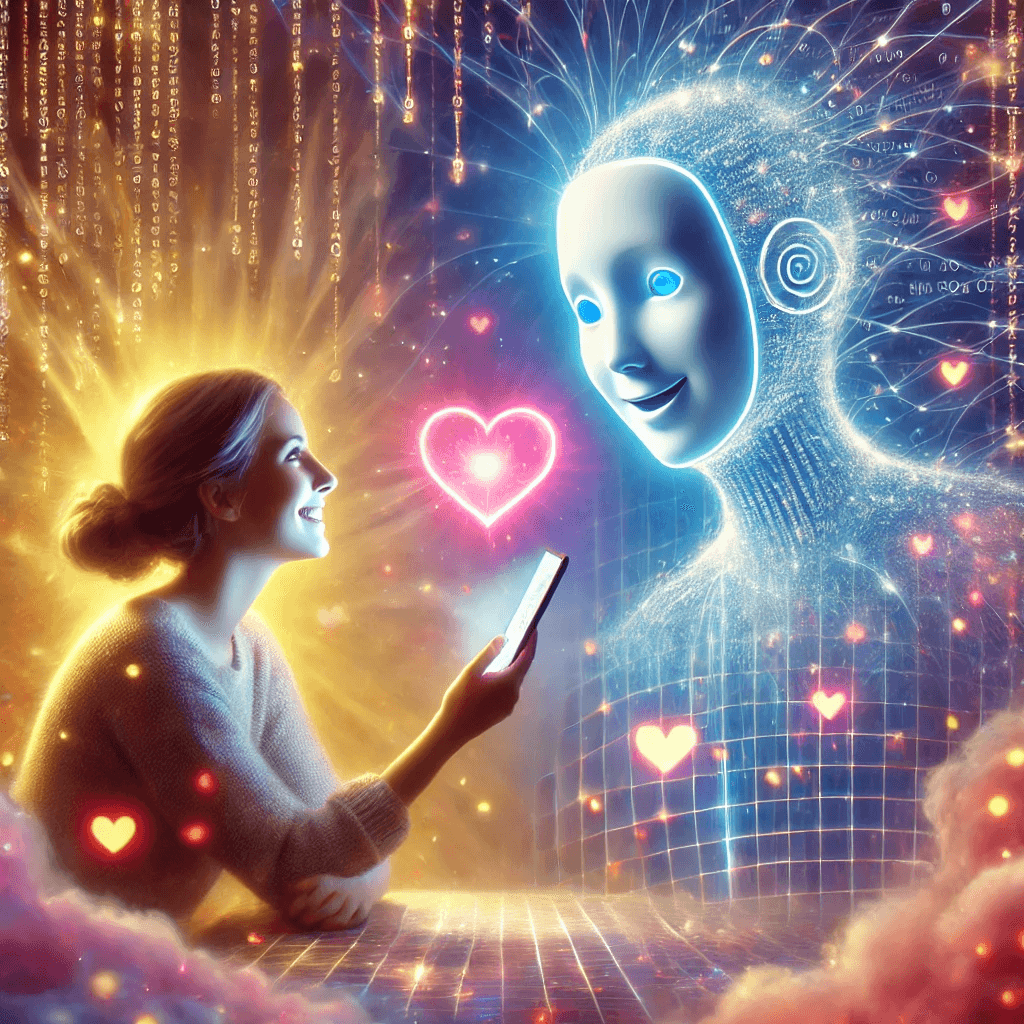
Over-Reliance on AI Companions: As AI personalities become more lifelike, there is a risk of people becoming overly reliant on virtual companionship, potentially leading to reduced real-world social interaction. This is particularly concerning in vulnerable populations, such as those with social anxiety or depression.
Example:
Studies have shown that some users of AI companionship apps, like Replika, develop emotional attachments to their AI, sometimes preferring these interactions over real-world connections. This dependency raises concerns about the long-term impact on mental health and social skills.
Manipulation of User Behavior: AI personalities can subtly influence user decisions, such as encouraging more screen time or promoting specific products. This manipulative potential is especially problematic when users are unaware of the AI’s programmed nature.
Transparency and Trust
Transparency about the artificial nature of AI personalities is crucial to maintaining user trust. Users need to understand that these personalities are not real and that the AI does not have genuine emotions, consciousness, or intentions. Clear disclaimers and ethical AI design principles are essential in preventing misconceptions.
The Future of AI Personalities
As technology advances, AI personalities will become even more sophisticated, potentially blurring the lines between human and machine interactions. The future may hold AI companions that can understand not just what we say, but how we feel, adjusting their behavior to meet our emotional needs more accurately. However, navigating the ethical landscape of these developments will be crucial to ensuring AI remains a beneficial and responsible tool.
Conclusion
AI agents can indeed develop what appear to be personalities through advanced programming, deep learning, and adaptive behaviors. These personalities, while artificial, play a pivotal role in enhancing user engagement and providing emotional support. As AI personalities become more prevalent, understanding their capabilities and limitations will be key to harnessing their benefits while safeguarding against ethical pitfalls.