

Can AI Truly Create Art? Unpacking the Controversy of Machine-Generated Masterpieces
Explore the debate surrounding AI-generated art, examining whether machines can truly create masterpieces or simply mimic human creativity. Dive into the controversy and discover what defines art in the age of artificial intelligence.
Author

D Team
28 Aug 2024
The question of whether AI can genuinely create art has stirred fierce debate among artists, critics, and technologists alike. AI-generated art ranges from whimsical doodles to complex compositions that rival the works of historical masters, prompting a reassessment of what constitutes creativity, originality, and artistic intent. As these machine-generated masterpieces gain traction in galleries, auctions, and digital platforms, the controversy surrounding AI in art continues to deepen. Is AI merely a tool that extends human creativity, or can it truly stand alone as an artist in its own right?
The Rise of AI-Generated Art
AI-generated art has been rapidly gaining recognition in recent years, driven by advancements in deep learning, neural networks, and generative models like GANs (Generative Adversarial Networks). These models can analyze vast datasets of existing artworks, learning the styles, techniques, and intricacies of countless artists. The most famous example is “Edmond de Belamy,” an AI-generated portrait that sold for $432,500 at a Christie’s auction in 2018, far exceeding expectations and igniting widespread debate.
These AI systems are not simply copying existing works; they are creating entirely new pieces based on learned patterns. From abstract expressions to photorealistic images, AI art can be both astonishing and unsettling, as it challenges traditional notions of authorship and artistic genius.
Can Machines Truly Be Creative?
The core of the controversy lies in the definition of creativity. Creativity is often seen as a uniquely human trait, characterized by emotion, intuition, and intentionality. Critics argue that AI lacks these qualities and can only produce what it has been programmed to understand. Without emotions or personal experiences, can an AI truly grasp the essence of art?
Proponents, however, argue that creativity is not exclusive to human beings. AI’s ability to blend different styles, experiment without bias, and generate unpredictable results suggests a form of creativity that, while different from human creativity, is still valid. The unpredictability and originality of some AI-generated works indicate that machines can move beyond rote imitation, sparking new dialogues about the nature of art.
Ethical Concerns: Copyright and Authenticity
AI art also raises significant ethical concerns, particularly regarding copyright and authenticity. AI systems are trained on existing artworks, often without the consent of the original artists. This has led to accusations of plagiarism and exploitation, as some believe that AI art is essentially a repackaging of stolen creative labor.
Furthermore, the question of authenticity comes into play. If an AI creates a stunning piece, who is the true artist—the programmer, the dataset, or the machine itself? This ambiguity has led to a growing call for clear guidelines on attribution and ownership in the world of AI-generated art.
The Role of the Human Artist: Collaborator or Creator?
Despite the controversy, many artists see AI as a tool that can augment and enhance their creative process rather than replace it. For these artists, AI serves as a collaborator, capable of generating new ideas, refining concepts, and even executing parts of a work that would be impossible or laborious by hand. In this sense, AI extends the artist’s creative reach, providing new mediums and methods for expression.
However, the role of human input remains critical. While AI can generate images, it lacks the ability to infuse them with intentional meaning or context. Human artists still decide what to keep, what to discard, and how to interpret the machine’s output, making them essential to the final work’s conception and impact.
From a Research-Driven Perspective: The Derivative GPT Viewpoint
From a research-driven perspective, the potential of AI in art lies in its ability to democratize creativity and push the boundaries of what is considered art. AI-generated art challenges traditional hierarchies, allowing those without formal training or natural artistic ability to participate in creative endeavors. This democratization, however, must be balanced with ethical considerations around originality and intellectual property.
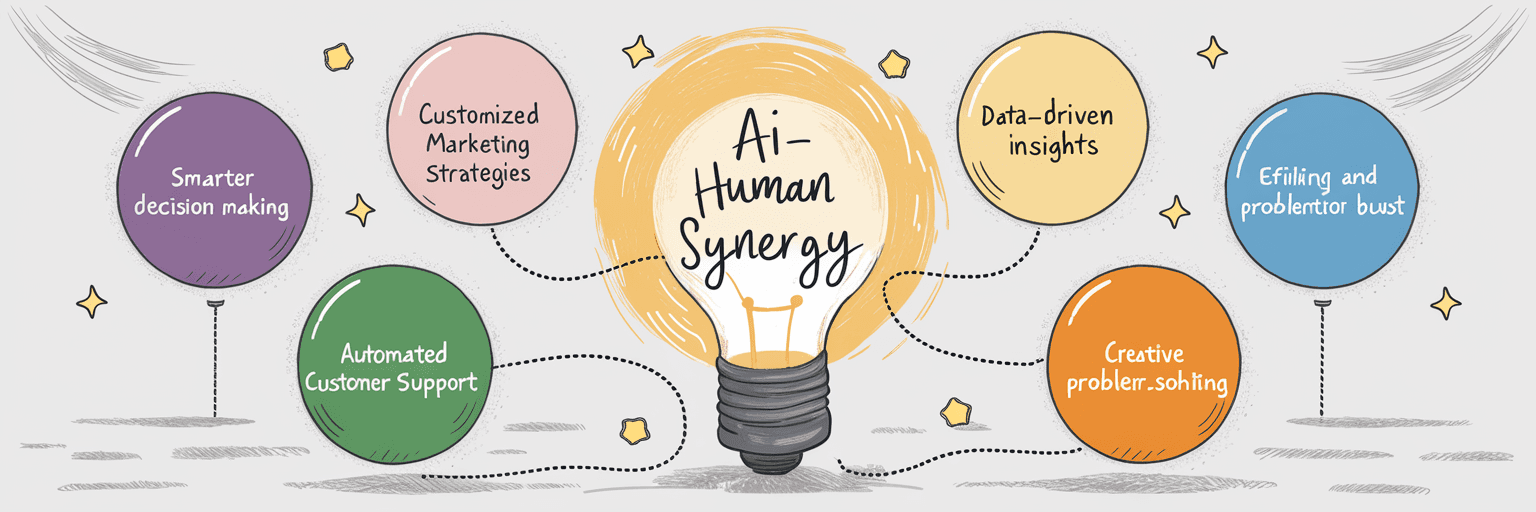
AI art also opens up new possibilities for artistic exploration, encouraging hybrid approaches that fuse human and machine creativity. This synergy could lead to new art forms that transcend conventional boundaries, creating a richer and more diverse artistic landscape.
The Future of AI Art: A New Creative Frontier?
As AI continues to evolve, the debate over machine-generated art is likely to intensify. Will AI eventually be recognized as a legitimate artist, or will it remain a tool in the hands of humans? The answer may lie in our evolving understanding of creativity, authorship, and the role of technology in shaping artistic expression.
For now, AI-generated art serves as both a mirror and a challenge, reflecting our aspirations, fears, and the ever-blurring line between human and machine. Whether celebrated or criticized, AI art is undeniably reshaping the art world, offering new ways to experience, create, and define what art can be.