

Conversational AI Agents: Beyond Chatbots – The Future of Human-AI Interaction
Explore the evolution of conversational AI agents beyond chatbots, diving into their advanced capabilities, real-world applications, and future potential. Learn how these agents are transforming human-AI interaction.

Author

D Team
29 Aug 2024
Introduction: Moving Beyond Basic Chatbots
When most people think of conversational AI, they picture chatbots—the automated assistants that pop up on websites, helping with FAQs or customer service. However, conversational AI has evolved far beyond simple scripted responses. Today’s AI agents are intelligent, context-aware, and capable of nuanced interactions that go beyond basic queries. This article delves into the advanced world of conversational AI agents, exploring their future role in human-AI interaction.
What Are Conversational AI Agents?
Conversational AI agents are advanced systems designed to interact with humans through natural language, whether it's text or speech. Unlike traditional chatbots that follow pre-defined scripts, these agents leverage complex algorithms, machine learning, and natural language processing (NLP) to understand context, learn from interactions, and provide more dynamic responses.
Simple Analogy: From Automated Phone Menus to Personal Assistants
Think of the evolution from those frustrating automated phone menus (“Press 1 for sales, 2 for support…”) to today’s voice-activated personal assistants like Siri or Google Assistant. Conversational AI agents represent the next leap forward—systems that not only answer questions but also understand intent, remember previous interactions, and engage in two-way dialogue like a real human.
Key Features of Advanced Conversational AI Agents
Context Awareness: Unlike basic chatbots, conversational AI agents retain context over multiple interactions, making conversations feel more natural and personalized. This is similar to how a personal assistant remembers your preferences and tailors their responses accordingly.
Emotion Recognition: Some conversational agents can detect emotional cues in speech or text, adjusting their tone and responses to match the user's mood. Imagine a digital companion that can sense frustration in your voice and respond with empathy, much like a friend would.
Multimodal Interaction: These agents can interact through various channels simultaneously—text, voice, and even visual interfaces like virtual avatars. For example, an AI health coach might talk you through your exercise routine while displaying visual cues on a screen.
Learning and Adaptation: Leveraging machine learning, conversational AI agents continuously improve based on feedback and past interactions, much like a human assistant who gets better at their job over time.
Everyday Applications of Conversational AI Agents
Virtual Customer Service Representatives: Unlike basic chatbots, advanced AI agents can handle complex queries, provide product recommendations, and even process transactions without human intervention.
Healthcare Assistants: AI agents can offer health advice, schedule appointments, and monitor patient conditions, providing a more personalized healthcare experience.
Smart Home Controllers: Beyond just playing music or turning off lights, conversational AI agents can manage home environments, predict your needs, and even converse about the news or your calendar.
Educational Tutors: These agents can provide one-on-one tutoring, adapt to a student’s learning style, and answer complex questions, offering a personalized learning experience that goes beyond pre-set lesson plans.
The Evolution from Chatbots to Conversational AI Agents
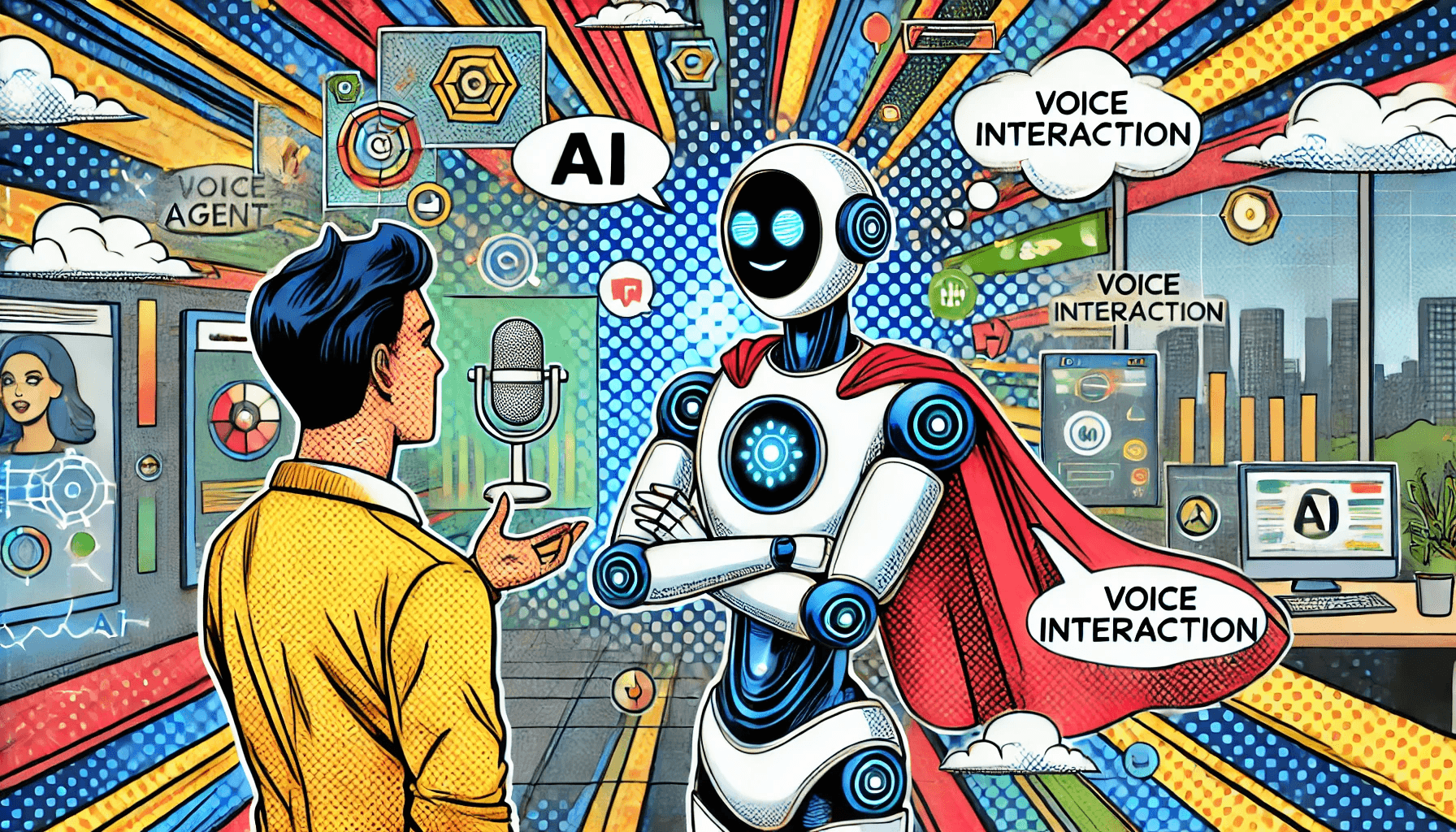
While chatbots were primarily rule-based systems, conversational AI agents utilize advanced technologies like deep learning, neural networks, and large language models (e.g., GPT-4) to achieve a more sophisticated level of interaction. This progression allows AI to not just respond but engage in conversations, drawing on vast data sets to offer contextually relevant and often highly personalized responses.
Benefits of Conversational AI Agents
Enhanced User Experience: By providing more natural and engaging interactions, conversational AI agents improve the overall user experience, whether in customer service, entertainment, or daily personal use.
Scalability: AI agents can handle multiple interactions simultaneously, providing businesses with the ability to scale customer interactions without proportional increases in staffing.
Personalization: With the ability to remember past interactions and learn from user behavior, these agents offer highly personalized services, making interactions more relevant and efficient.
Cost Efficiency: Automating complex customer interactions reduces the need for extensive human support, leading to significant cost savings for businesses.
Challenges and Considerations
However, deploying conversational AI agents comes with challenges, including data privacy concerns, the need for substantial computational resources, and the risk of over-reliance on automated systems. Addressing these issues requires careful planning and a commitment to ethical AI practices.
Derivative GPT Insight: The Future of Conversational AI Agents
From a research-driven perspective, the future of conversational AI agents is poised to revolutionize human-AI interaction. These agents are expected to evolve into multi-purpose digital companions that can seamlessly integrate into all aspects of daily life—from managing work tasks to offering emotional support during tough times. Future conversational agents could act as personal advisors, capable of providing nuanced guidance in fields as diverse as legal advice, mental health, and personalized shopping experiences.
The integration of emotion AI will further enhance the capabilities of these agents, allowing them to recognize and respond to human emotions, making interactions feel even more natural and supportive. This evolution will not only redefine customer service but also transform how we interact with technology daily.
Moreover, with advances in AI ethics and responsible design, future conversational agents will be designed with built-in safeguards to ensure user data privacy and security. As technology advances, these agents will become more trusted partners in our lives, capable of assisting, entertaining, and even empathizing with us.
Conclusion
Conversational AI agents are rapidly advancing beyond simple chatbots, evolving into sophisticated digital companions that enhance human-AI interaction. With applications spanning customer service, healthcare, education, and more, these agents are set to play an increasingly integral role in our lives. The future holds immense potential for conversational AI to not just serve us but to understand, adapt, and truly interact with us in meaningful ways.