

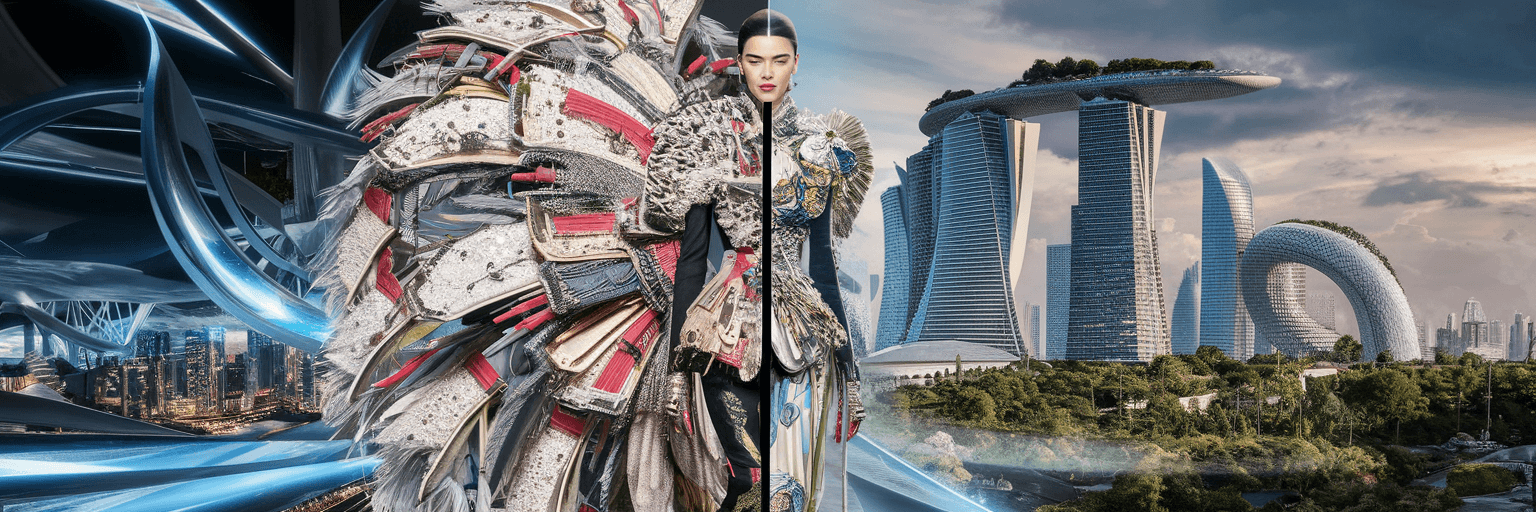
Designing the Unreal: How Generative AI is Revolutionizing Fashion and Architecture
Discover how generative AI is revolutionizing fashion and architecture, pushing creative boundaries, enhancing efficiency, and fostering sustainability. Explore real-world applications, industry stories, and the challenges ahead.
Author

D Team
28 Aug 2024
Generative AI is redefining the boundaries of creativity and functionality in industries traditionally grounded in craftsmanship and manual design. Fashion and architecture, once reliant on the skill and intuition of designers, are now embracing AI-driven innovations that enhance creative output, streamline production, and promote sustainability. From conceptualizing avant-garde fashion collections to designing sustainable urban spaces, generative AI is not just a tool—it's a creative partner that challenges the conventional.
Generative AI in Fashion
Generative AI is revolutionizing fashion by empowering designers to explore uncharted territories of style, predict trends, and deliver personalized shopping experiences. Here’s how it is reshaping the fashion landscape:
Creative Design and Innovation: Generative AI enables designers to push the boundaries of creativity by generating new design concepts based on defined parameters like aesthetics, materials, and target markets. This capability allows for rapid prototyping of innovative clothing designs, bypassing the need for expensive and time-consuming physical samples. Tools like The New Black allow designers to bring unique fashion concepts to life quickly, supporting rapid iterations and customization.
Trend Forecasting and Product Development: The fashion industry is fast-paced, with trends changing rapidly. Generative AI analyzes vast datasets from social media, fashion shows, and consumer behavior to predict upcoming trends. This foresight helps brands stay ahead, optimize product development cycles, and meet market demands effectively.
Personalized Shopping Experience: AI-driven tools like Vue.ai create personalized shopping experiences by offering custom recommendations and virtual try-ons, enhancing customer engagement and satisfaction. AI models analyze individual preferences, making each shopping journey unique and tailored to the consumer's tastes.
Sustainability and Efficiency: With growing concerns about the environmental impact of fashion, generative AI plays a pivotal role in reducing waste. By predicting demand and optimizing production, it helps brands make more sustainable decisions, such as grouping similar materials for collective processing. This approach minimizes waste and supports eco-friendly practices.
Industry Stories in Fashion:
Virtual Dressing Rooms: ASOS utilizes augmented reality (AR) and AI to allow customers to visualize how clothes would look on their bodies, reducing return rates and enhancing the online shopping experience.
Sustainable Fashion Design: Brands like Zara and Alibaba use AI to forecast demand accurately, reducing overproduction and waste by optimizing their supply chains.
Generative AI in Architecture
Architecture is undergoing a digital transformation powered by generative AI, enabling architects to explore countless design possibilities, optimize structures, and reduce the environmental footprint of buildings.
Design Optimization: Generative AI can generate multiple design options based on specific criteria, such as energy efficiency, structural integrity, and aesthetic appeal. This capability allows architects to make data-driven decisions, enhancing building performance and sustainability.
Rapid Prototyping and Simulation: AI accelerates the design process by generating prototypes and simulating building performance under different conditions. Tools like Spacemaker allow architects to visualize designs, refine concepts, and make smarter decisions faster, saving time and resources.
Sustainability and Innovation: By integrating AI into the design workflow, architects can select sustainable materials and optimize building features to reduce environmental impact. AI helps ensure that designs comply with green standards, promoting eco-friendly construction practices.
Enhanced Creativity and Collaboration: AI handles repetitive tasks and complex calculations, freeing architects to focus on the creative aspects of design. This human-AI collaboration fosters unique and innovative solutions that balance aesthetics, functionality, and sustainability.
Industry Stories in Architecture:
Schematic Design with ArkDesign.ai: This platform allows architects to quickly generate optimized designs tailored to project-specific requirements, automating manual tasks and enhancing decision-making.
Urban Planning with Sidewalk Labs: This AI platform helps design smarter, more efficient cities by advising on traffic management, energy efficiency, and affordable housing solutions.
Building Simulation with Spacemaker: Spacemaker's AI-driven software helps architects and urban planners make data-driven design decisions, improving building performance and sustainability.
Challenges and Considerations
Despite its transformative potential, generative AI presents challenges. There is a risk that over-reliance on AI could lead to homogenized designs that lack the distinctiveness of human creativity. Moreover, AI-generated designs may not always account for the unique contextual needs of a project, which could result in impractical or unsuitable solutions.
To fully harness AI's capabilities, industries must focus on continued research and development. Designers and architects must balance AI's efficiency with the nuanced understanding that only human intuition can provide, ensuring that the end products remain innovative, relevant, and contextually appropriate.
Conclusion
Generative AI is reshaping the fashion and architecture industries, driving innovation and redefining the creative process. By embracing this technology, designers and architects can push creative boundaries, enhance efficiency, and contribute to a more sustainable future. As these industries evolve, the synergy between human creativity and AI’s computational prowess promises to unlock new possibilities and redefine how we design the world around us.