

The Evolution of AI: Key Developments in the Past Two Years
Explore the rapid transformation of AI since 2022. From ChatGPT to multimodal, discover the breakthroughs reshaping technology and society.

Author

D Team
29 Jul 2024
Artificial Intelligence (AI) has rapidly evolved over the past two years, marking a period of significant advancements and widespread adoption across various sectors. This post delves into the key developments in AI from 2022 to 2024, highlighting the technologies, trends, and impacts that have shaped its evolution.
Key Developments in AI
Generative AI Explosion
The past two years have witnessed a surge in generative AI technologies, with tools like OpenAI's ChatGPT and DALL-E taking center stage. These models have revolutionized content creation, enabling users to generate text, images, and even music with unprecedented ease and creativity. The introduction of Meta's LLaMa and other open-source models has further democratized AI, making powerful tools accessible to a broader audience.
Multimodal AI
Multimodal AI, which integrates text, image, and audio processing, has become increasingly sophisticated. This advancement allows AI systems to understand and respond to multiple forms of input simultaneously, enhancing applications in virtual assistants and customer service. The integration of multimodal capabilities has opened new possibilities for seamless interaction with AI, such as using a camera to generate recipes based on available ingredients.
AI in Business
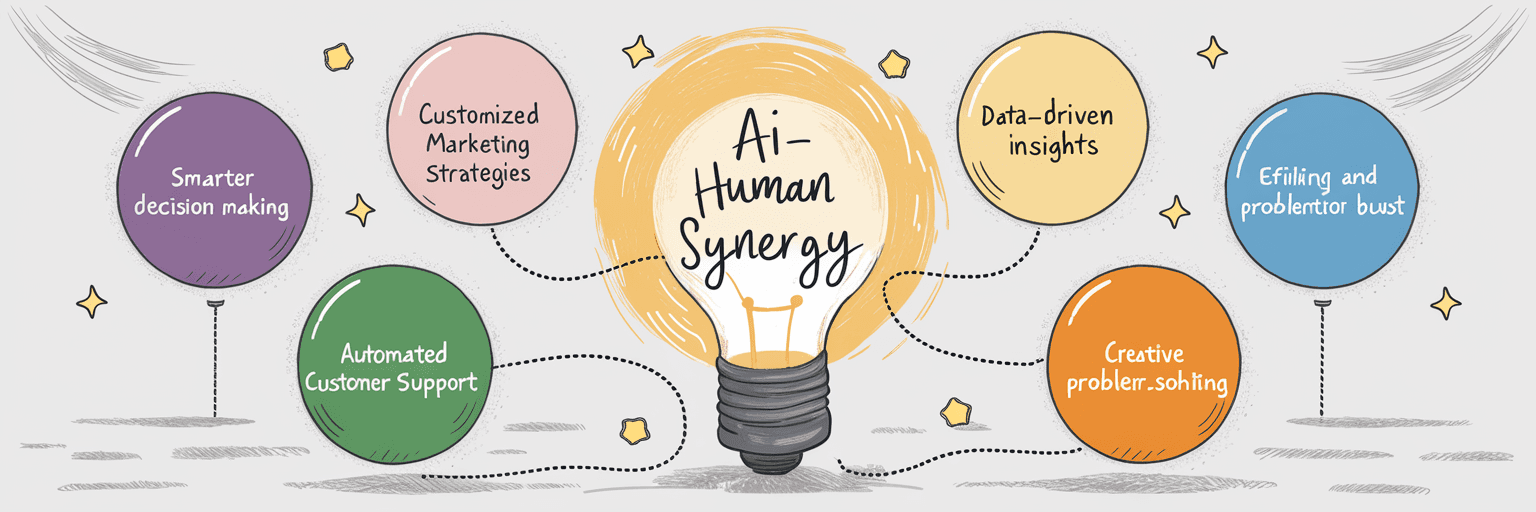
AI's integration into business processes has accelerated, with companies leveraging AI for automation, data analysis, and decision-making. Industries like finance, healthcare, and legal services have adopted AI to improve efficiency and accuracy, while also addressing privacy and ethical concerns by running AI models locally. The focus has shifted from experimentation to real-world applications, with businesses seeking practical AI solutions to enhance operations.
Ethical and Regulatory Considerations
As AI technology advances, so do the ethical and regulatory challenges. The European Union's AI Act, set to be the world's first comprehensive AI regulation, aims to ensure transparency and accountability in AI systems. This regulatory framework is expected to influence global standards, emphasizing the need for ethical AI development and deployment.
AI and Machine Learning Trends
Several trends have emerged in AI and machine learning, including the rise of agentic AI, which exhibits autonomy and proactivity, and the increased focus on explainable AI (XAI) to make AI decisions more transparent and interpretable. These trends reflect a maturing understanding of AI's capabilities and the need for responsible AI practices.
Conclusion
The past two years have been pivotal for AI, with significant advancements in generative models, multimodal capabilities, and business applications. As AI continues to evolve, it is crucial to balance innovation with ethical considerations and regulatory compliance. By staying informed of these developments, businesses and individuals can harness the full potential of AI while navigating its challenges responsibly