

What Are AI Agents? A Simple Explanation with Everyday Analogies and Examples
Discover what AI agents are through simple analogies and real-world examples. Learn how these digital assistants work, their benefits, challenges, and the future potential of AI agents in everyday life and business.
Author

D Team
28 Aug 2024
Artificial Intelligence (AI) agents are software systems that can perform tasks autonomously, making decisions and adapting to changing conditions without needing constant human input. Imagine an AI agent as a super-smart assistant who can figure out what needs to be done, make decisions on the go, and complete tasks more efficiently than we can. This article will break down the concept of AI agents using simple analogies, relatable examples, and insights into their future.
What Exactly Are AI Agents?
Think of an AI agent like a self-driving car. It’s not just a vehicle; it’s a system equipped with sensors (eyes and ears), processors (a brain), and actuators (hands and feet) to navigate roads, avoid obstacles, and reach destinations without human input. Similarly, AI agents operate within computer systems or physical environments to achieve specific goals autonomously.
Simple Analogy: AI Agents as Digital Workers
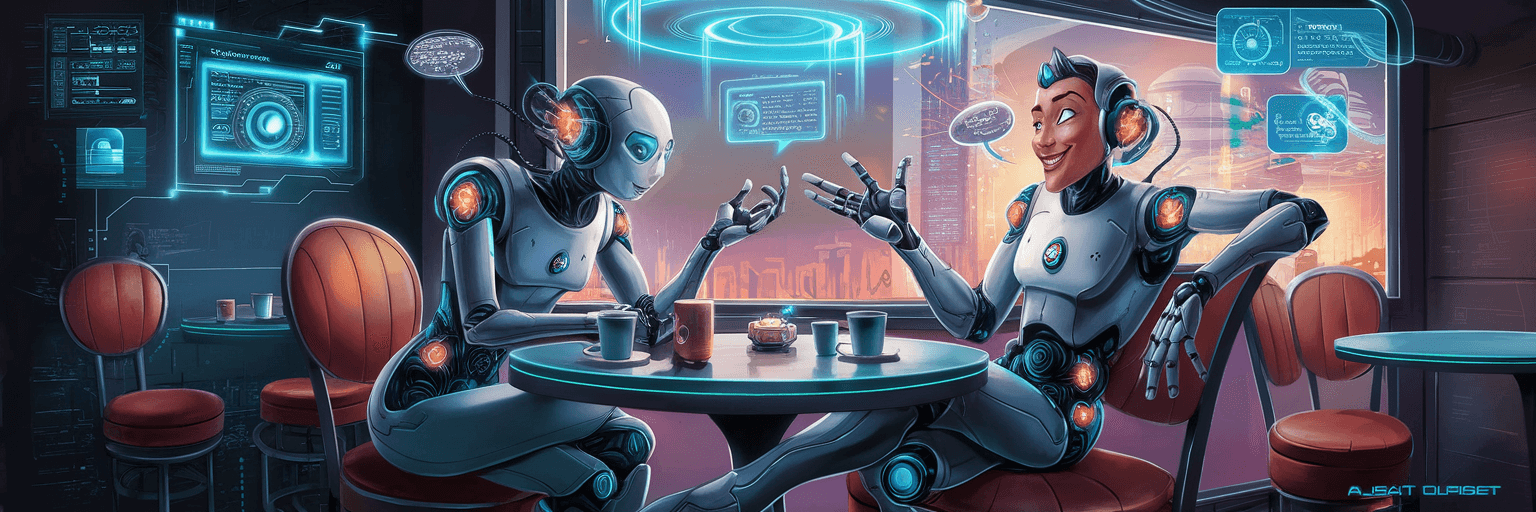
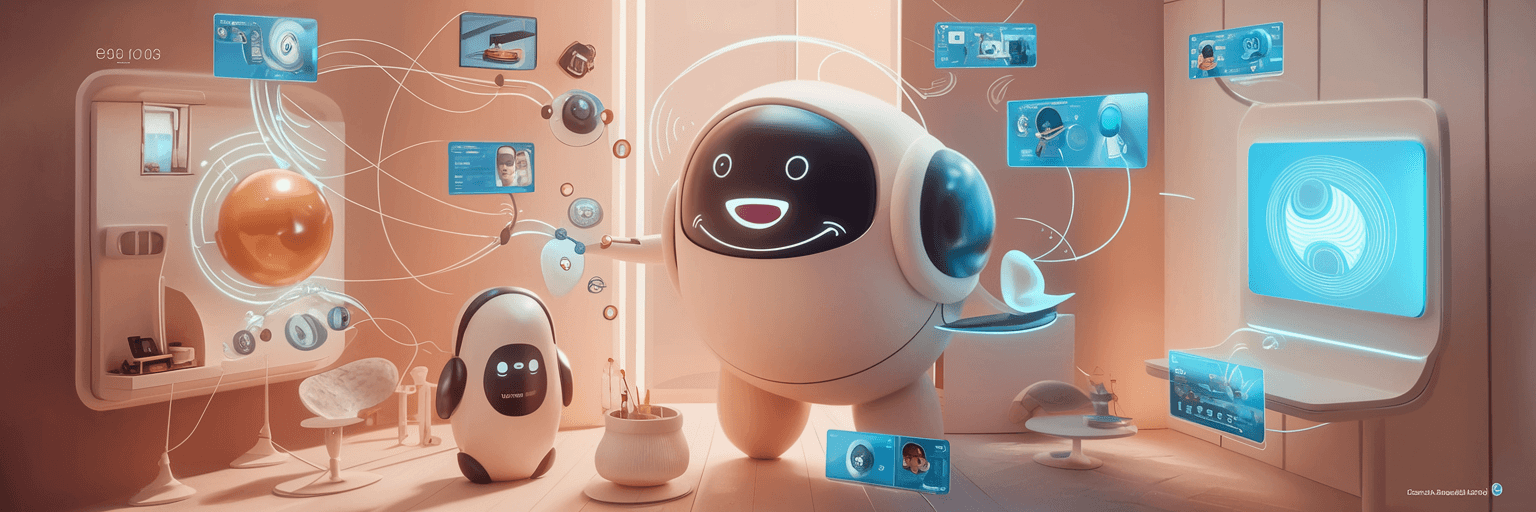
Imagine a smart robot assistant in a kitchen. Instead of cooking based on step-by-step instructions from you, this robot can look at what's in the fridge, decide what to make based on your preferences, and cook the meal—all without needing constant guidance. This is similar to how AI agents work: they perceive their environment, make decisions, and act accordingly.
Key Characteristics of AI Agents
Perception: Like our senses, AI agents gather data from their surroundings. This could be anything from a chatbot understanding your questions to a robot detecting obstacles in its path.
Decision-Making: Once they gather data, AI agents analyze it to make decisions. This is similar to how we choose the best route based on traffic information.
Action: AI agents take actions based on their decisions, such as sending an alert, moving an object, or adjusting a system’s operations.
Types of AI Agents with Real-World Examples
Simple Reflex Agents: These agents respond to specific situations with predefined rules. Imagine a thermostat that turns on the heat when the room gets too cold. It doesn’t think or learn; it just follows instructions.
Model-Based Reflex Agents: These agents maintain an internal model of their environment. A good analogy would be a GPS system that not only knows your current location but also remembers past traffic patterns to suggest the best route.
Goal-Based Agents: These agents are driven by goals. Think of them like a chess player deciding on moves to win the game. Google Maps calculating routes based on your goal (destination) is another example.
Utility-Based Agents: These agents evaluate different scenarios to choose the most beneficial outcome. For instance, they’re like an investor weighing risks and returns before deciding where to put money.
Learning Agents: These agents learn and improve over time. Think of them as students who get better with experience, like spam filters that adapt to new types of junk emails.
Everyday Applications of AI Agents
Intelligent Personal Assistants (Siri, Alexa): These agents help us manage schedules, set reminders, and answer questions, acting as personal digital secretaries.
Autonomous Robots: Robots used in manufacturing or warehouses for sorting, assembling, or transporting items without human intervention.
Gaming Agents: In video games, AI agents can act as opponents, sometimes outperforming human players, like AlphaGo, which defeated a world champion in the complex board game Go.
Fraud Detection Agents: In banking, these agents monitor transactions to detect unusual activity and prevent fraud, similar to how a security guard keeps an eye on suspicious behavior.
Benefits of AI Agents
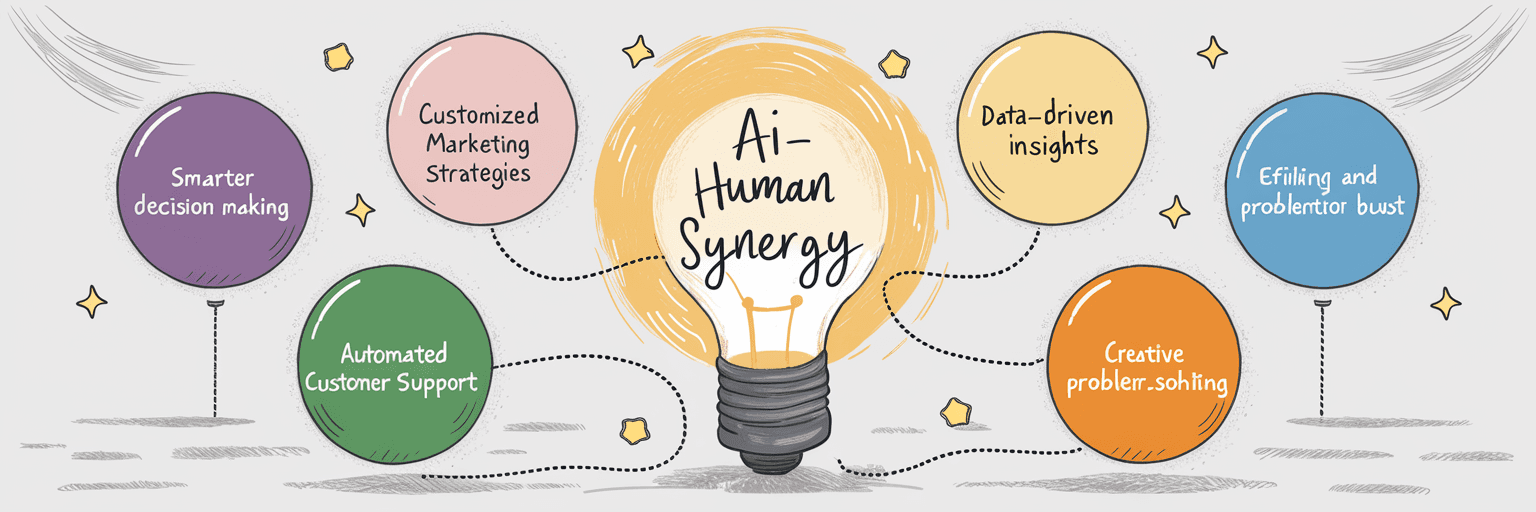
Improved Efficiency: By automating repetitive tasks, AI agents allow people to focus on more complex and creative work.
Cost Reduction: Minimizing errors and optimizing processes saves money across industries.
Enhanced Customer Experience: AI agents can provide personalized recommendations and support 24/7, improving customer satisfaction.
Informed Decision-Making: AI agents can process vast amounts of data in real-time, helping businesses make strategic choices.
Challenges and Considerations
However, integrating AI agents into our lives isn't without challenges. Issues such as data privacy, ethical considerations, and the need for substantial computational resources must be addressed. Organizations must carefully navigate these hurdles to fully leverage the power of AI agents.
Derivative GPT Insight: The Future of AI Agents
From a research-driven perspective, the future of AI agents looks promising as they become more sophisticated and deeply integrated into daily life and business operations. In the coming years, we can expect AI agents to take on more complex roles, such as personalized healthcare advisors that can monitor health conditions and suggest lifestyle changes, or advanced financial advisors that can provide real-time investment advice tailored to market conditions and personal goals.
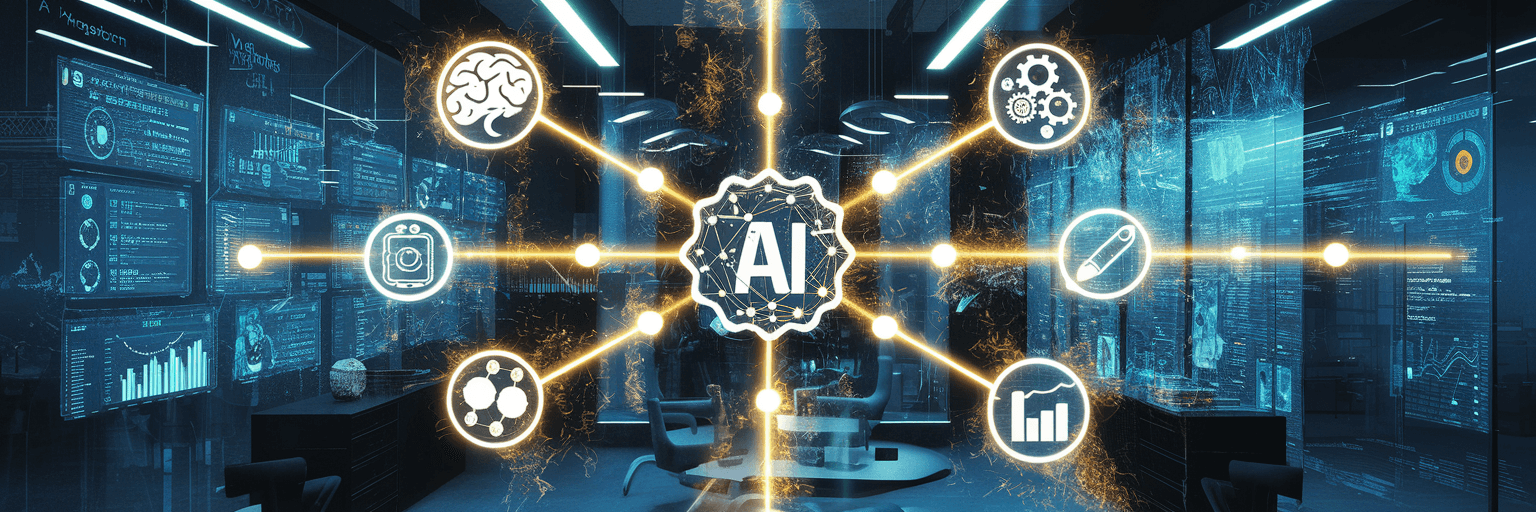
One of the most exciting developments is the potential for AI agents to work together collaboratively, like a team of experts tackling complex problems across industries. For instance, a combination of AI agents could handle supply chain management, customer service, and logistics simultaneously, creating a more efficient and responsive business ecosystem.
As AI agents continue to evolve, their capacity to learn and adapt will make them even more valuable, capable of not just assisting but also innovating alongside humans. However, this also necessitates robust frameworks for ethical governance, data protection, and accountability to ensure these powerful tools are used responsibly.
Conclusion
AI agents are rapidly becoming a cornerstone of modern technology, transforming industries with their ability to automate tasks, enhance decision-making, and provide personalized experiences. While challenges remain, the future holds vast potential for these digital workers to revolutionize how we live and work, making everyday tasks simpler, businesses more efficient, and our digital experiences richer.